
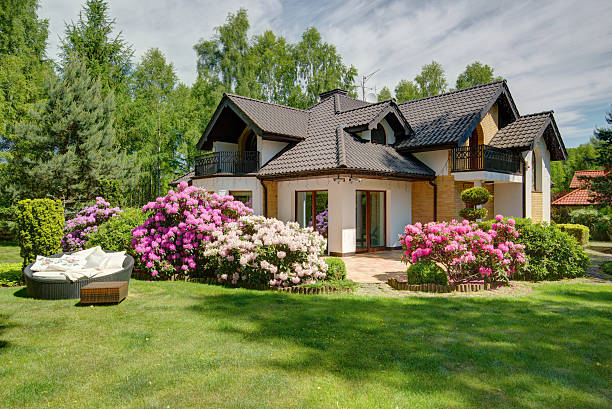
Flower placement is one of the most important factors in creating a vibrant, healthy landscape in Michigan. Even the highest-quality flowers can struggle if they are planted in the wrong location. Understanding sunlight requirements, soil conditions, drainage, spacing, and seasonal climate patterns helps homeowners maximize blooms while minimizing maintenance.
Michigan's unique climate presents both opportunities and challenges for flower gardens. With cold winters, fluctuating spring temperatures, and warm summers, strategic flower placement can significantly improve plant health and long-term performance.
Why Flower Placement Matters
Proper flower placement affects:
- Bloom production
- Plant health
- Disease resistance
- Water efficiency
- Pollinator attraction
- Overall landscape appearance
Flowers that receive the right amount of sunlight and airflow typically produce more blooms and experience fewer problems with fungal diseases, pests, and stress.
Understanding Michigan Growing Conditions Michigan falls primarily within USDA Hardiness Zones 5 and 6, though some northern areas are Zone 4 and parts of southeastern Michigan are approaching Zone 6b. Michigan gardeners must account for:
- Late spring frosts
- Hot, humid summers
- Heavy clay soils in many areas
- Variable rainfall patterns
- Harsh winter conditions
These factors make site selection especially important when planning flower beds.
Place Flowers Based on Sunlight Requirements
Full Sun Flowers
Full sun flowers need at least six hours of direct sunlight daily. Popular Michigan full-sun flowers include:
- Coneflowers
- Black-eyed Susans
- Salvia
- Coreopsis
- Daylilies
- Zinnias
- Marigolds
These flowers perform best on:
- South-facing landscapes
- Open garden beds
- Areas away from large shade trees
Partial Sun Flowers
Partial sun flowers thrive with three to six hours of sunlight. Common choices include:
- Astilbe
- Bleeding Heart
- Columbine
- Foxglove
- Coral Bells
Ideal locations include:
- Eastern exposures
- Areas with morning sun and afternoon shade
- Beds near structures that provide afternoon protection
Shade Flowers
Shade-loving flowers are perfect for areas receiving less than three hours of direct sunlight. Popular Michigan shade flowers include:
- Hostas
- Impatiens
- Begonias
- Ferns
- Lungwort
These flowers are often placed beneath mature trees or on the north side of homes.
Consider Soil Drainage Before Planting
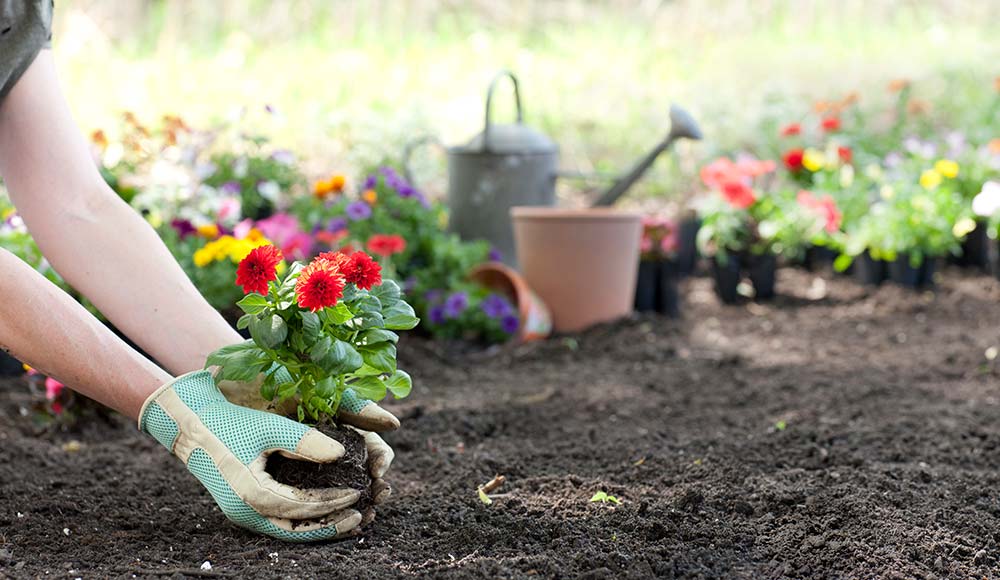
Many Michigan properties contain dense clay soils that can hold excess moisture. When choosing flower placement, consider:
Well-Drained Areas
Ideal for:
- Lavender
- Russian Sage
- Yarrow
- Blanket Flower
These plants dislike standing water and thrive in drier conditions.
Moisture-Retaining Areas
Better suited for:
- Iris
- Astilbe
- Cardinal Flower
- Joe-Pye Weed
Matching flowers to soil moisture conditions reduces stress and improves flowering.
Space Flowers Properly
Overcrowding is one of the most common flower planting mistakes. Benefits of proper spacing include:
- Improved airflow
- Reduced disease pressure
- Better root development
- Fuller plant growth
- Easier maintenance
When placing flowers, always consider their mature size rather than their size at planting.
Use Flower Placement to Create Seasonal Color
A well-designed Michigan landscape provides blooms from spring through fall.
Spring Bloomers
Place near entrances and high-visibility areas:
- Tulips
- Daffodils
- Hyacinths
- Crocus
Summer Bloomers
Use as the backbone of flower beds:
- Coneflowers
- Daylilies
- Shasta Daisies
- Black-eyed Susans
Fall Bloomers
Add late-season color with:
- Asters
- Sedum
- Mums
- Goldenrod
Layering bloom times ensures continuous color throughout the growing season.
Place Flowers to Attract Pollinators
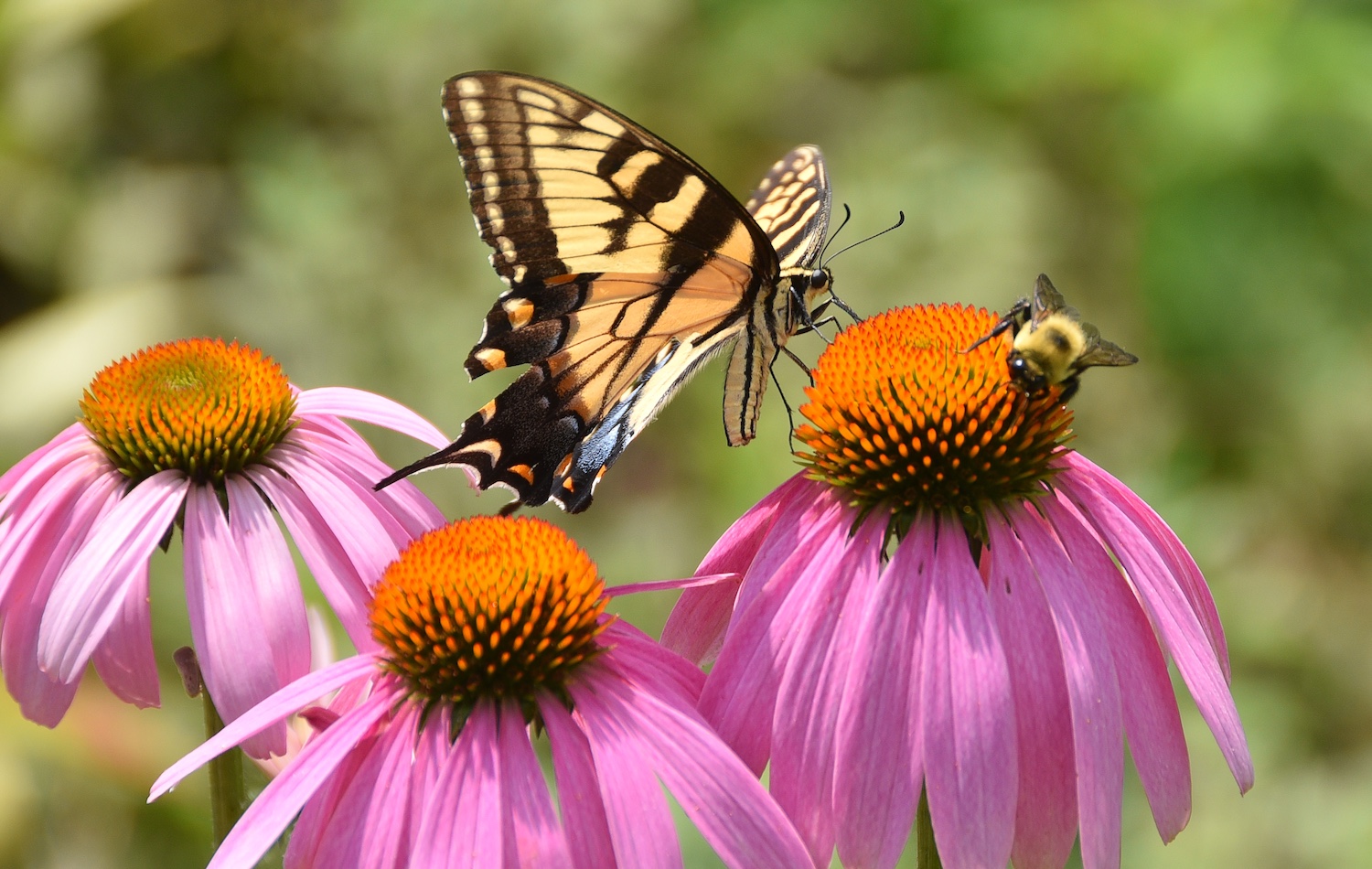
Michigan homeowners increasingly incorporate pollinator-friendly gardens. Excellent pollinator flowers include:
- Milkweed
- Bee Balm
- Purple Coneflower
- Blazing Star
- Black-eyed Susan
Place these flowers:
- Along property borders
- Near vegetable gardens
- In sunny, open areas
Proper placement supports local bees, butterflies, and other beneficial insects.
Protect Flowers from Michigan Weather
Michigan weather can be unpredictable. Strategic placement helps protect flowers from:
Strong Winds
Use structures, fences, shrubs, or trees as windbreaks.
Excessive Heat
Provide afternoon shade for sensitive plants during summer heat waves.
Winter Damage
Place perennial flowers where snow cover can help insulate roots during winter.
Best Flower Placement Around the Home
Front Yard
Focus on curb appeal with:
- Layered flower beds
- Seasonal color
- Symmetrical designs
- Low-maintenance perennials
Walkways
Use compact flowers that won't overgrow paths:
- Salvia
- Lavender
- Catmint
- Dianthus
Foundation Beds
Choose plants that remain proportionate to the home and won't obstruct windows or utilities.
Backyard Living Spaces
Create visual interest around:
- Patios
- Decks
- Fire pits
- Outdoor seating areas
Common Flower Placement Mistakes
Avoid these common issues:
- Planting sun-loving flowers in shade
- Ignoring mature plant size
- Overcrowding beds
- Placing moisture-sensitive flowers in poorly drained areas
- Choosing flowers unsuited for Michigan winters
- Failing to account for tree root competition
Correct placement often solves many common flower performance problems without requiring additional fertilizers or treatments.
Frequently Asked Questions About Flower Placement in Michigan

What flowers grow best in Michigan?
Coneflowers, Black-eyed Susans, Daylilies, Hostas, Bee Balm, Salvia, and Asters are among the most reliable flowers for Michigan landscapes.
How much sun do most flowering plants need?
Most flowering plants perform best with six or more hours of direct sunlight daily, though many varieties thrive in partial shade.
When should flowers be planted in Michigan?
Most annual flowers should be planted after the last spring frost, typically in May. Perennials can be planted in spring or early fall.
Can flowers grow under trees?
Yes, but shade-tolerant varieties such as Hostas, Astilbe, Ferns, and Begonias generally perform better beneath mature trees.
Why are my flowers not blooming?
Insufficient sunlight, poor placement, overcrowding, improper watering, or nutrient imbalances are common causes of reduced blooming.
Conclusion
Successful flower placement in Michigan involves more than simply choosing attractive plants. Matching flowers to the right sunlight conditions, soil type, drainage patterns, and available space creates healthier plants, longer bloom periods, and more beautiful landscapes. By planning placement carefully, Michigan homeowners can enjoy colorful flower gardens that thrive from spring through fall while supporting pollinators and enhancing curb appeal.